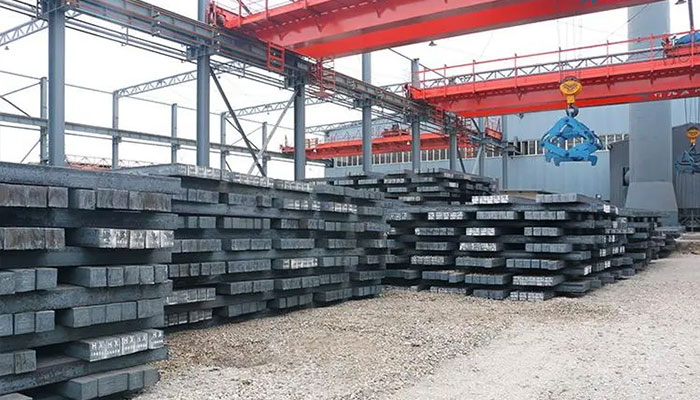
Is Your Billet Crane Safe? Key Questions Every Buyer Must Ask
menu_open
Content Quick Link
Is Your Billet Crane Actually Safe? The Questions Every Buyer Should Ask Before Signing
Most Important Takeaway
Safety in billet handling cranes goes far beyond just looking at the rated capacity. Buyers need to account for the total lifting load, including clamps, magnets, or other attachments. They also need to consider dynamic forces, temperature effects from hot billets, and emergency or power failure scenarios. Misjudging any of these factors can lead to accidents, equipment damage, production downtime, and regulatory issues.
Key Takeaways & Questions Solved
Practical insights for buyers to ensure safe and efficient crane operation, covering capacity, dynamic loads, temperature, safety, and compliance.
Rated Capacity Clarification
Question Solved: Does rated capacity include clamps or magnets?
Takeaway:
- Buyers must confirm that the crane's rated capacity covers the total lifted load, not just the billet weight.
- Clamps, magnets, or other attachments add significant mass and affect load distribution.
- Ensuring accurate capacity calculation prevents overloading and improves long-term crane reliability.
Dynamic Load Consideration
Question Solved: Are dynamic loads considered?
Takeaway:
- Cranes are not static—acceleration, deceleration, load sway, and travel motion all create additional forces.
- Failing to account for these dynamic loads can lead to trolley instability, rail wear, and premature equipment failure.
- Ask suppliers for detailed dynamic load calculations for your specific operation.
Temperature Effects
Question Solved: Can the crane safely handle hot billets?
Takeaway:
- Hot billets (often 600–1,100°C) affect clamps, motors, and structural components.
- Special materials, insulation, and surface treatments are necessary to maintain grip, prevent deformation, and extend service life.
- Temperature-related considerations are critical for hot billet cranes in rolling mills or steel plants.
Power Failure & Safety Systems
Question Solved: What happens during power loss, especially for magnetic cranes?
Takeaway:
- Magnetic cranes need fail-safe or emergency retention systems to prevent billets from dropping.
- Even clamp cranes benefit from clear emergency procedures.
- Ensuring these systems are in place protects personnel and avoids costly accidents.
Compliance & Inspection
Question Solved: Does the crane meet local and international safety standards?
Takeaway:
- Confirm that the crane adheres to relevant inspection, load testing, and regulatory requirements.
- Third-party verification can reduce liability and ensure operational safety.
- Compliance not only protects your workforce but also guarantees the crane is built to proven engineering standards.
Introduction: Why Crane Safety Cannot Be Overlooked
Handling billets with overhead cranes may look straightforward at first glance, but the reality is far more complex. Every crane buyer should understand that safety is not optional—it directly affects personnel, equipment longevity, and production continuity.
In many steel mills, accidents are not caused by negligence but by misunderstanding the true operational load, environmental factors, or the limits of the lifting equipment. Hot billets, uneven bundles, and unexpected dynamic forces can quickly turn a seemingly simple lift into a dangerous situation.
Overview of Risks in Billet Handling
Billet handling presents multiple hazards that buyers must address before specifying a crane:
- Overload risks: Failing to include clamp or magnet weight can overload the crane.
- Dynamic stresses: Acceleration, deceleration, and load sway generate extra forces beyond static weight.
- Temperature impact: Hot billets (often 600–1,100°C) can degrade clamp material, hoist motors, and structural components.
- Power loss scenarios: Magnetic cranes in particular must have fail-safe or emergency retention systems.
- Regulatory compliance: Non-compliant cranes risk fines, operational shutdowns, or liability for workplace accidents.
Differences Between Hook Cranes and Clamp/Magnetic Cranes
Not all overhead cranes are created equal. Buyers often assume that a crane designed for hook lifting can handle billet operations without modification—but that's a dangerous assumption.
Hook Cranes:
- Primarily designed for lifting single loads with direct attachment.
- Minimal additional weight beyond the hook and sling.
- Lower sensitivity to temperature or bundle misalignment.
Clamp Cranes or Magnetic Cranes:
- Must handle clamps or magnets, which add substantial weight to the lifting system.
- Require careful consideration of dynamic forces, bending moments, and load distribution.
- Hot billets can compromise clamp or magnet performance without special materials and design.
- Emergency power loss situations are critical—magnetic cranes without fail-safe systems are extremely risky.
Key takeaway: If your operation involves billet handling, buying a standard hook crane without adaptation is almost always inadequate. Clamp and magnetic cranes are specifically engineered for these loads, but only if their design fully accounts for operational and safety conditions.
Rated Capacity: What Every Crane Buyer Needs to Know
Rated capacity determines whether your crane can safely handle the actual load in your workshop, including clamps, magnets, and attachments.
Net vs. Total Lifting Capacity
Before making a decision, it's crucial to understand the difference between net and total capacity. Knowing which value your supplier is quoting can prevent costly mistakes.
- Net capacity: The weight the crane can lift without considering clamps, magnets, or other attachments. Treating this as the total safe load can be misleading.
- Total lifting capacity: The actual weight the crane must lift, including billets, clamps, magnets, and lifting accessories. This is the critical figure for safety and operational planning.
Buyer tip: Always ask whether the crane's rated capacity is net or total. Misinterpreting net as total can result in operating near or beyond design limits, risking personnel and equipment.
Why Clamps, Magnets, and Attachments Matter
Attachments significantly impact total load. Understanding their effect ensures your crane handles real production conditions safely.
- Mechanical clamps: Heavier or larger clamps can add hundreds of kilograms. Ignoring this can exceed crane design limits.
- Magnetic systems: Magnets add weight and depend on power for lifting force. Not accounting for them can compromise load security during power interruptions.
- Other attachments: Hooks, slings, and auxiliary devices add weight and can affect crane balance and stability if not included in capacity calculations.
Practical advice for buyers: Provide suppliers with exact weights of clamps, magnets, and the largest expected billet bundles. This ensures safe crane design and minimizes operational risks.
Dynamic Loads in Real Operation: What Buyers Must Check
Understanding dynamic loads is critical for safe crane operation. Acceleration, deceleration, sway, and trolley motion all affect stress on the crane structure, hoist, and rails.
Acceleration and Deceleration Effects
Even slight changes in speed can increase the effective load beyond the static billet weight. Buyers must understand these forces to select the right crane.
- Load spikes during acceleration: Rapid starts temporarily increase stress on motors, gearboxes, and structural elements.
- Braking forces: Sudden stops create backward or forward shocks on crane rails, affecting stability.
- Trolley motion impact: Side-to-side trolley movement adds sway and uneven load distribution on wheels.
Buyer tip: Ask suppliers how they account for dynamic load factors in capacity calculations and ensure safety margins are adequate for your production speeds and handling practices.
Load Sway and Operational Stability
Billets may act unpredictably when lifted in bundles or at high speed. Sway increases stress on clamps and crane components, potentially causing misalignment or collisions.
- Sway with long or uneven billets: Longer billets swing more during travel, affecting grip security.
- Bundle lifting: Uneven weight distribution amplifies lateral forces.
- Impact on runway and wheels: Repeated sway cycles accelerate wear on rails, wheels, and structural components.
Practical advice for buyers: Provide suppliers with typical travel speeds, trolley distances, and load types so they can calculate realistic dynamic factors and recommend a crane that operates safely under actual working conditions.
Temperature Effects and Hot Billet Handling: What Buyers Need to Know
High temperatures impact clamps, crane structure, hoists, and motors. Buyers must understand these effects to prevent failures and ensure safe operation.
Heat Resistance in Clamps and Crane Components
Clamps directly contact hot billets, so material selection and design are critical.
- Clamp material: Must resist thermal expansion and maintain integrity at 800–1100°C.
- Jaw and pin durability: High temperatures can soften metals, reducing gripping force or causing deformation.
- Protective coatings or surface treatments: Prevent scale adhesion and maintain friction for safe handling.
Buyer tip: Verify with your supplier that clamps are rated for the maximum billet temperature. Request material certifications and test results when available.
Impact on Hoists, Motors, and Structural Elements
Hot billets transfer heat to nearby crane components, which can degrade performance if not accounted for.
- Hoist and motor protection: Use insulated covers or heat shields to prevent overheating and motor failure.
- Crane girder and trolley: Thermal expansion can affect alignment, clearance, and movement accuracy.
- Airflow and ventilation: Adequate spacing around components reduces heat buildup and extends service life.
Practical advice for buyers: Provide your maximum billet temperatures and handling patterns to the manufacturer. This ensures safe, reliable operation in real working conditions.
Power Failure Scenarios and Emergency Measures: What Buyers Must Consider
Unexpected power loss is a critical risk in billet handling. Buyers must ensure cranes have proper fail-safe systems and backup measures.
Fail-Safe Systems for Magnetic Cranes
Magnetic cranes rely on electricity to hold the load. Without fail-safe systems, billets could drop, causing injury, damage, or downtime.
- Emergency retention systems: Maintain the magnetic field temporarily during power loss to secure the billet.
- Mechanical backup clamps: Secondary grips provide added security in case of power failure.
- Automatic alert systems: Warn operators immediately of power fluctuations or failures.
Buyer tip: Verify that the magnetic crane includes tested fail-safe mechanisms and request test reports or certifications.
Backup Power and Retention Mechanisms
Backup power and retention systems maintain crane function during outages or controlled shutdowns.
- UPS or battery backup: Ensures emergency lowering and other critical functions remain operational.
- Redundant systems for critical loads: Prevent billet drops and protect personnel and equipment.
- Integration with plant power monitoring: Enables rapid response and reduces downtime.
Practical advice for buyers: Request a demonstration of emergency systems during factory acceptance tests. Confirm the crane can safely handle the maximum billet weight under a power failure scenario.
Compliance, Inspection, and Safety Certification: Protecting Buyers and Operations
Compliance ensures legal approval, reduces liability, and protects workers and assets. Buyers must verify local and international standards before purchase.
Local and International Regulations
Crane standards vary by region, and understanding applicable rules helps prevent fines, delays, or rejected installations.
- National safety standards: Ensure compliance with local occupational safety and engineering codes.
- International standards (ISO, CE, etc.): Important for plants operating under global regulations or for import/export compliance.
- Load and operational certifications: Verify rated capacity, dynamic load factors, and temperature tolerance meet legal and industry requirements.
Buyer tip: Request documentation showing compliance for both the crane and attachments such as clamps, magnets, or hoists.
Third-Party Verification and Periodic Inspections
Even well-designed cranes need independent verification and ongoing checks to ensure long-term safety and reliability.
- Factory acceptance testing (FAT): Independent inspectors verify rated capacity, load handling, and emergency systems before delivery.
- On-site inspections: Confirm proper installation, alignment, and integration with runway and power systems.
- Scheduled maintenance and certification: Regular inspections maintain compliance and prevent unexpected failures.
Practical advice for buyers: Make third-party verification mandatory in your purchase contract. Request inspection records, certification, and test reports to ensure safety under all operating conditions, including hot billets and bundled loads.
Common Buyer Mistakes and How to Avoid Them: Lessons for Safe Billet Crane Selection
Even experienced buyers can make costly errors when selecting billet cranes. Knowing common mistakes helps avoid downtime, improve safety, and ensure reliable operation.
Underestimating Total Load
Many buyers focus only on billet weight and overlook clamps, magnets, or attachments.
- Check total lifted weight: Always include clamps, magnets, and attachments in your calculations.
- Use realistic bundle scenarios: Calculate the maximum combined weight when lifting billets in groups.
Ignoring Clamp or Magnet Weight
Clamp and magnetic systems can account for 10–30% of total load. Neglecting this stresses the crane and reduces service life.
- Confirm clamp/magnet weight with suppliers: Request exact values, not estimates.
- Factor into crane capacity: Ensure rated capacity covers total load, including attachments.
Neglecting Dynamic Load and Motion Effects
Acceleration, deceleration, trolley travel, and load sway affect crane stability. Ignoring these factors can cause structural damage.
- Calculate dynamic factors: Include acceleration, braking, and lateral motion in capacity design.
- Simulate real operation scenarios: Consider travel speed, emergency stops, and bundle handling.
Overlooking Temperature Effects
Hot billets introduce thermal expansion and reduced clamp friction. Many buyers fail to verify component heat resistance.
- Verify heat resistance: Ensure clamps and structural components can handle maximum billet temperature.
- Check motor and hoist protection: Insulated covers and heat shields are critical for hot billet operations.
Practical Buyer Advice
Always review your crane specifications against real operational conditions—including maximum billet size, bundle handling, temperature, and attachments. Avoiding these mistakes ensures safety, compliance, and reliable performance.
FAQ: What Crane Buyers Really Want to Know About Billet Handling Cranes
Common questions from buyers about safety, capacity, and real-world operation. Understanding these ensures smarter, safer crane selection.
Does the rated capacity include clamps or magnets?
Check carefully: total load includes clamps or magnets, not just billets. Ignoring this can make the crane underpowered and unsafe.
How do dynamic forces affect lifting?
Acceleration, sudden stops, trolley movement, and load sway create extra stress. Ensure the crane can handle these real-world forces.
Can the crane handle hot billets?
Hot billets put heat stress on clamps, motors, and the crane structure. Heat-resistant materials, protective insulation, and coatings are necessary to prevent damage.
What happens if the power goes out?
Emergency retention systems or fail-safe mechanisms are essential. Even during power loss, the billet must stay secure for safety.
Is the crane compliant with safety standards?
Ensure the crane meets local and international regulations. Third-party verification gives extra peace of mind.
Can I lift multiple billets at once?
Multiple billets add weight and can create uneven loads. Clamps and cranes must be rated for the total combined weight, not just a single piece.
Will this crane work if my billets get bigger in the future?
Adjustable clamps and extra safety margin help the crane last longer and handle future production changes safely.
How often should I inspect and maintain the crane?
Regular maintenance is key. Check clamps, magnets, hoists, rails, and electrical systems to keep operations safe and avoid downtime.
Do environmental conditions affect the crane?
Outdoor yards, dust, humidity, or heat from furnaces can affect performance. Use corrosion protection, heat shields, and ensure electrical components are rated for your conditions.
How do I choose the right crane type?
Single or double girder? Magnetic or mechanical clamp? Consider billet weight, size, lifting frequency, and plant layout. Provide detailed info to the manufacturer to select the safest, most efficient option.
Best Practices and Manufacturer Recommendations for Billet Handling Cranes
Following these recommendations helps buyers ensure safety, efficiency, and long-term performance when selecting and operating billet handling cranes.
Provide Accurate Billet Dimensions and Drawings
Always share precise drawings, cross-sections, and weights with your crane manufacturer. This ensures clamps are designed to fit actual billets.
- Reduces redesign cycles: Prevents costly modifications after fabrication.
- Ensures clamp accuracy: Jaws match billets perfectly, reducing slipping and wear.
- Supports safe operation: Proper weight and size info improves crane capacity calculations.
Consider Customized Clamp Cranes
Custom clamps tailored to your plant's requirements deliver better safety and long-term performance than generic off-the-shelf options.
- Optimized for production: Fits your exact billet range and handling conditions.
- Reduces maintenance and downtime: Tailored design minimizes wear and replacement frequency.
- Allows future growth: Can handle increases in billet size or weight without major redesign.
Use Third-Party Verification for Load and Safety Compliance
Independent inspection adds an extra layer of safety, ensuring both crane and clamp meet operational, regulatory, and safety standards.
- Validates rated capacity: Confirms safe lifting of the heaviest billet plus clamp.
- Supports regulatory compliance: Helps meet local and international inspection requirements.
- Provides peace of mind: Reduces risk of accidents, equipment failure, or legal issues.
Conclusion
Buying a billet handling crane isn't just about picking the highest rated capacity. Real safety comes from understanding the entire lifting system—clamps or magnets, dynamic forces, temperature effects, and emergency scenarios. Overlooking any of these can risk accidents, equipment damage, or costly production downtime.
Asking the right questions before you buy is critical. It ensures your overhead crane for billet handling is not only safe and reliable but also compliant with local and international standards. Working closely with manufacturers and engineers can help prevent mistakes and provide a crane solution that truly meets your plant's needs.
Actionable Takeaways for Buyers
- Know your total load: Make sure rated capacity includes clamps, magnets, and attachments.
- Understand dynamic and thermal effects: Check acceleration, load sway, and heat resistance in hot billet handling.
- Plan for power failures: Verify fail-safe systems or emergency retention for magnetic cranes.
- Ensure compliance: Confirm adherence to safety standards and consider third-party verification.
- Communicate with manufacturers: Share precise billet dimensions, weight, and handling conditions.

Article by Bella ,who has been in the hoist and crane field since 2016. Bella provides overhead crane & gantry crane consultation services for clients who need a customized overhead travelling crane solution.Contact her to get free consultation.